Finchley Central cleaning guide for Victorian terraced homes
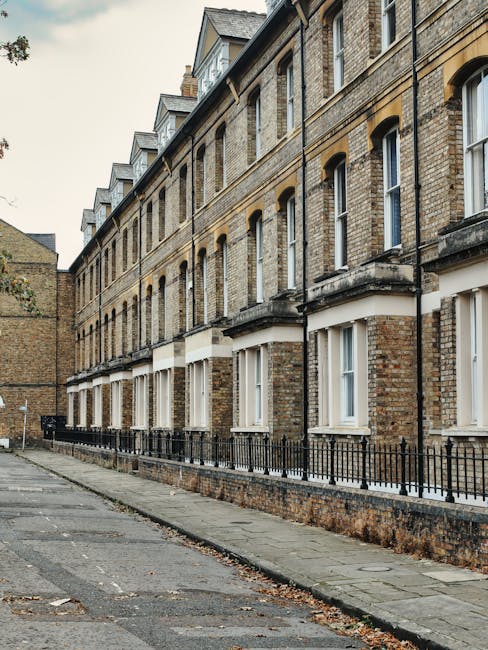
Victorian terraced homes in Finchley Central have a lovely lived-in feel: tall ceilings, narrow hallways, original woodwork, sash windows, the odd draught, and a surprising number of places for dust to hide. If you own, rent, or care for one of these homes, a proper cleaning routine is not just about tidiness. It is about protecting older materials, keeping surfaces looking decent, and avoiding the kind of damage that can creep in when the wrong products or tools are used.
This Finchley Central cleaning guide for Victorian terraced homes brings together the practical stuff people actually need: how to clean period features safely, what to prioritise room by room, where the common trouble spots are, and when a deeper clean makes more sense than a quick tidy. You will also find a checklist, a comparison table, and a few realistic examples from day-to-day home life. Nothing fancy. Just useful guidance that helps a Victorian terrace stay comfortable without losing its character.
Why Finchley Central cleaning guide for Victorian terraced homes Matters
Victorian terraces are beautiful, but they are not low-maintenance in the same way as newer homes. Materials age differently. Paint can be layered over old plaster. Floors may have gaps or old finishes. Windows can be draughty. And because these houses were built long before today's appliances and cleaning products, they can react badly to heavy-handed cleaning.
In Finchley Central, many terraced homes have a mix of original features and later updates. That mix is exactly why a one-size-fits-all cleaning routine tends to fail. A strong vacuum setting might be fine on a modern carpet, but not ideal near delicate trims or loose floorboards. Harsh chemicals may clear grime quickly, but they can dull wood, mark stone, or strip finish from paintwork. To be fair, that is the point where a careful method beats an aggressive one every time.
It also matters because older houses tend to collect dirt in layers. Dust settles on cornices. Soot-like residue can build around fireplaces. Kitchens and bathrooms may have been updated, but the surrounding walls and joinery still need a gentler touch. If you leave that build-up too long, the home starts to feel tired, even when it is technically clean.
Expert takeaway: Victorian terraced homes reward routine, restraint, and the right tools. The goal is not to scrub harder; it is to clean smarter and protect the fabric of the house.
If you need broader help with regular upkeep, a structured domestic cleaning approach or a more detailed deep cleaning visit can be much more effective than random ad hoc effort. That is especially true after decorating, moving furniture, or a long wet winter when grime seems to arrive on its own.
How Finchley Central cleaning guide for Victorian terraced homes Works
The best cleaning process for a Victorian terrace starts with a simple idea: divide the home into surfaces, risks, and priorities. That sounds dry, but in practice it means deciding what needs light cleaning, what needs targeted attention, and what should be left alone unless you know the material well.
A sensible workflow usually looks like this:
- Assess the materials - Identify painted wood, old plaster, natural stone, carpets, laminate, tile, brass, and any original features.
- Remove loose dust first - Dry dusting and vacuuming reduce the chance of smearing dirt across surfaces.
- Clean from top to bottom - Start with ceilings, shelves, and high ledges, then move to walls, fixtures, and floors.
- Use the mildest effective product - Warm water and a neutral cleaner often do more than a strong chemical, especially on older finishes.
- Spot test before larger cleaning - If you are unsure how a surface will react, test a hidden patch first. Always.
- Finish with airflow - Open windows where possible so moisture does not linger in cool corners or behind furniture.
That order matters because Victorian homes often hold onto dust and humidity in awkward places. A hallway with a high ceiling, for example, can look clean at eye level while still carrying grime along skirting boards and the upper edges of the walls. Miss those spots, and the room still reads as dull.
If you are planning a more comprehensive refresh, a one-off clean can be a practical middle ground. Many households also combine this with targeted services such as window cleaning, carpet cleaning, or oven cleaning when the house needs more than routine upkeep. That combination usually makes the biggest visual difference.
Key Benefits and Practical Advantages
A good cleaning plan for a Victorian terraced home delivers more than a tidy look. It helps the whole house feel lighter, easier to live in, and less fragile. And let's face it, when a terraced house starts to gather dust in the wrong places, you notice it everywhere.
- Protects period details - Cornices, banisters, original doors, and sash windows last longer when cleaned carefully.
- Improves day-to-day comfort - Less dust, cleaner fabrics, and fresher floors make the home feel calmer.
- Reduces maintenance stress - Regular care prevents build-up that later needs harsher treatment.
- Supports resale or rental presentation - A well-kept terrace always shows better, even before any decorating.
- Makes the property feel more hygienic - Kitchens, bathrooms, and soft furnishings benefit from a proper routine.
There is also a practical money angle. Cleaning problems are often cheaper to prevent than to fix. A stained carpet, a damaged wood finish, or a blocked extractor can turn a manageable task into a repair. Not ideal. Not at all.
For homeowners who do not want to juggle every task themselves, using a reliable cleaning company or local cleaners can save time while keeping standards consistent. If you want the help to feel genuinely domestic and house-specific, a house cleaning service may be a better fit than a broad commercial-style package.
Who This Is For and When It Makes Sense
This guide is for anyone responsible for a Victorian terrace in Finchley Central, whether that means you own the place, rent it, manage it for someone else, or simply care about keeping it in good condition. The need is a bit different for each person, but the underlying challenge is the same: period homes need care that respects the structure.
It makes sense if you are:
- moving into an older terraced property and want to reset it properly;
- preparing for guests, family visits, or a special occasion;
- dealing with a long period of neglect, dust, or clutter;
- getting ready for end of tenancy checks;
- refreshing the home after decorating, building work, or repairs;
- trying to keep on top of carpets, ovens, and windows without overdoing it.
That last point is a big one. Victorian terraces often need a combination of routine cleaning and occasional targeted work. A kitchen deep clean may be enough one month, while another month is all about floors and fabrics. If the property has had recent renovation dust, an after builders cleaning service can be especially helpful, because fine dust loves old houses. It gets into every gap, and it is maddening.
Sometimes the situation is less about cleanliness and more about space. If rooms are crowded with old furniture, boxes, or inherited items, a house clearance approach can make the actual cleaning far easier. No point polishing around piles of stuff if the layout itself is working against you.
Step-by-Step Guidance
If you want a practical routine rather than a vague "clean more often" suggestion, this is the part to follow closely. It is written for a typical Finchley Central Victorian terrace with a hallway, front room, back room or open-plan ground floor, kitchen, bathroom, stairs, bedrooms, and a small outside area or rear access.
1. Start with air and light
Open windows if the weather allows, even for 10 to 15 minutes. Older houses can hold stale air, especially in cooler months. Natural airflow helps with dust and reduces that musty, enclosed feeling. If sash windows are sticky or painted shut, clean around them carefully rather than forcing them.
2. Tackle visible dust first
Use a soft duster or a vacuum with an appropriate attachment on shelves, picture rails, skirting boards, and tops of door frames. These are classic Victorian dust traps. The higher trims often get missed because, frankly, you do not look there every day.
3. Clean woodwork gently
Original or older woodwork should be cleaned with a lightly damp cloth and a mild solution, not soaked. Avoid abrasive pads. If paint is flaky, treat the area gently and do not scrub loose edges, because that only makes the damage worse.
4. Move to walls, switches, and handles
Light grime around switches, door handles, and the lower part of walls builds up faster than people think. A soft cloth and a neutral cleaner usually do the job. In busy family homes, these touchpoints can be cleaned weekly with very little effort.
5. Give floors the right treatment
Victorian terraced homes often mix floor types. You might have carpet on the stairs, timber in the hall, tiles in the kitchen, and laminate in an extension. Each one needs a different approach. For timber or sealed hard floors, a service like hard floor cleaning can help restore the surface without making it slippery or dull.
Carpets, especially on stairs and landings, can hold a surprising amount of dust and pet hair. A proper carpet cleaning treatment is often worth it because these areas take more traffic than you realise until you look closely. There is always that one patch by the stair turn, isn't there?
6. Deal with the kitchen in zones
Start with the hob, splashback, worktops, cupboard fronts, and sink. Then move to appliances, the fridge seal, and bin area. Kitchens in older terraces are often narrow, so grease and dust mix quickly. For the oven, a specialist oven cleaner or oven cleaning service can save time and avoid the half-hearted scrub that nobody enjoys doing twice.
7. Freshen soft furnishings
Older houses often use layered textiles for comfort, which is great for warmth but not so great for dust retention. Sofa arms, armchairs, rugs, and curtains should not be forgotten. If you want a fresher feel without replacing everything, look at sofa cleaning, upholstery cleaning, and rug cleaning as part of the same reset.
8. Finish with windows and mirrors
Victorian homes can feel brighter almost immediately after glass and mirrors are cleaned properly. This is especially true on darker days, which, well, is fairly standard in London some weeks. Clean glass also makes the whole room feel less dusty, even if nothing else has changed.
9. Check the problem spots before you stop
Look behind doors, under radiators, around skirting, and along the edges of stairs. These are the places where "nearly clean" becomes "actually clean". It is a small extra step, but it changes how the whole house feels.
Expert Tips for Better Results
The difference between a decent clean and a really good one often comes down to judgement. Not more effort. Judgement. A few things we would always recommend for older Finchley Central terraces:
- Use pH-neutral cleaners where possible on wood, tile, and mixed surfaces unless the manufacturer says otherwise.
- Vacuum before you mop; otherwise you just move grit around and scratch the floor.
- Keep moisture under control, especially in cooler rooms and around bay windows.
- Test products on hidden areas before using them more widely.
- Clean in short, repeated sessions rather than trying to blast the entire house in one exhausted afternoon.
- Give attention to details like door tops, light fittings, and the underside of shelves.
One useful rule: if a surface looks fragile, probably treat it as fragile. That sounds obvious, but it saves a lot of regret. A slightly slower method is usually the right one in a period home.
For anyone working to a regular household schedule, a trusted home cleaners arrangement can make the routine feel manageable. You do not need to deep clean everything weekly. That would be a bit much, honestly. The trick is keeping the main touchpoints under control so the home never gets away from you.
Common Mistakes to Avoid
Victorian homes often look tougher than they are. That is where people get caught out.
- Using too much water on original wood, old plaster, or laminate edges can cause swelling, streaks, or staining.
- Scrubbing painted surfaces aggressively may remove sheen or leave patchy marks.
- Ignoring hidden dust behind furniture, on ledges, or above eye level makes the house feel uncared for.
- Mixing random products is risky and often unnecessary.
- Cleaning carpets too wet can leave a lingering damp smell in an older property.
- Forgetting ventilation is a common one in terraced homes where rooms can stay closed for warmth.
Another mistake is trying to clean everything with the same cloth and same solution. In a Victorian terrace, the front hallway, upstairs landing, and kitchen all need different handling. One method does not fit all. It just doesn't.
If the property is used as a rental, this becomes even more important. For end-of-tenancy prep, an end of tenancy cleaning service can help set the house up properly for inspection and reduce the risk of small details being overlooked. That is often where disputes start, on tiny things rather than the dramatic stuff.
Tools, Resources and Recommendations
You do not need a warehouse of specialist equipment to maintain a Victorian terrace. A compact, sensible kit usually works best.
- soft microfiber cloths;
- a vacuum with upholstery and crevice tools;
- a duster with an extendable handle;
- bucket and mop suitable for the floor type;
- mild, surface-safe cleaner;
- gloves for stronger products;
- small brush for edges, vents, and corners;
- old towels for accidental drips and protection.
For larger jobs, some services make more sense than buying more equipment. If carpets are tired, if rugs hold odours, or if a sofa has gone a bit flat and dusty, then a specialist visit can lift the whole room. That is where carpets cleaner support, cleaner support, or a specific fabric treatment can be genuinely worthwhile.
Households balancing cleaning with work, school runs, and the usual London chaos often prefer a recurring service. A good one-off cleaning appointment is handy when things have slipped, while regular domestic help suits people who want steadier upkeep. Both can work. It just depends on how the house is used.
Law, Compliance, Standards, or Best Practice
For most homeowners, cleaning a Victorian terraced house is not a legal maze. Still, there are a few good-practice points worth keeping in mind, especially if the property is rented, managed for others, or cleaned by outside help.
First, safety matters. Cleaning products should be used according to the label instructions, and any stronger chemicals should be handled with ventilation and care. If a professional cleaner is involved, you would reasonably expect them to work in line with basic health and safety practice and carry suitable insurance. That is standard professionalism, not a luxury.
Second, be cautious around older materials. Some painted surfaces, old sealants, and historic finishes may not react well to modern products. The safest assumption is that gentler methods are better unless there is a clear reason to do otherwise.
Third, if you are hiring help, clear communication about access, expectations, and payment is sensible. It avoids misunderstandings and makes the job smoother for everyone. If you want to understand how a company handles practicalities, the pages on health and safety policy, insurance and safety, payment and security, and terms and conditions are worth reviewing before you book anything.
There is also a sustainability angle. Period homes often benefit from careful, repeatable cleaning rather than wasteful product use, and many homeowners prefer methods that reduce unnecessary chemical load and packaging. If that matters to you, a page like recycling and sustainability is a sensible place to look for the company's general approach.
Options, Methods, or Comparison Table
Different cleaning approaches suit different stages of the home's life. Here is a straightforward comparison to help you decide what fits best.
| Method | Best for | Strengths | Watch-outs |
|---|---|---|---|
| Routine light cleaning | Weekly upkeep, lived-in homes | Fast, affordable, easy to maintain | Can miss embedded dirt and hidden dust |
| Targeted room-by-room cleaning | Kitchens, bathrooms, hallways, stairs | Focused results where they matter most | Needs planning and a clear order |
| Deep cleaning | Move-ins, neglected homes, seasonal resets | More complete refresh, better for build-up | Takes longer and needs more product control |
| Specialist surface cleaning | Carpets, upholstery, ovens, hard floors | Protects specific materials, better finish | Best left to the right method or trained help |
If you are unsure which route to take, think about what is bothering you most. Is it the smell of the carpets? Sticky kitchen surfaces? Dust along the landing? The answer usually points to the right method. Not glamorous, but it works.
Case Study or Real-World Example
A fairly typical Finchley Central scenario goes like this. A couple moves into a Victorian terrace that looked charming on viewing day, but after a week of living there they notice dust on the picture rails, marks on the hallway walls, and a kitchen that feels slightly greasy no matter how many times they wipe it. The house is not dirty in a dramatic sense. It is just old, layered, and a bit tired.
They start by vacuuming the stairs, skirting boards, and upstairs landing. Then they clean the woodwork with a light touch, deal with the kitchen in sections, and book help for the carpets and windows. The effect is bigger than the effort suggests. The rooms feel brighter. The stairs stop looking grey. The kitchen smells cleaner. By the evening, the home has not changed character, but it does feel looked after.
That is usually the real goal with a Victorian terrace. Not perfection. Just a house that feels calm, cared for, and ready for normal life again. Simple enough, but honestly a relief when you get there.
Practical Checklist
Use this as a quick pre-clean or maintenance checklist for a Victorian terraced home in Finchley Central.
- Open windows or improve airflow where possible.
- Identify fragile finishes, old paint, and original woodwork.
- Vacuum high and low surfaces before wiping.
- Dust picture rails, skirting, door tops, and stair edges.
- Use mild cleaners unless a surface specifically needs more.
- Spot test anything new on a hidden patch.
- Clean carpets, rugs, and upholstery on a sensible schedule.
- Give the kitchen extra attention at sinks, hobs, and cupboard handles.
- Check bathrooms for limescale, mould-prone areas, and extractor airflow.
- Finish with glass, mirrors, and any visible touchpoints.
Quick reminder: if a room feels "almost clean" but still somehow dull, it is usually the edges, the height, or the soft furnishings that need another pass.
Conclusion
A Victorian terraced home in Finchley Central has a lot of character, and that character is worth protecting. The best cleaning approach is careful, regular, and based on the actual materials in the house rather than a generic one-size-fits-all routine. If you focus on dust traps, use gentle products, treat floors and fabrics properly, and avoid common mistakes, you will keep the property looking fresher for longer without wearing it out.
Whether you are maintaining a well-loved family home, preparing for a move, or trying to bring an older terrace back to life, the key is the same: respect the house, work methodically, and do not rush the parts that matter most. A bit of patience goes a long way in these homes. Surprisingly far, actually.
Get a free quote today and see how much you can save.
And if all you manage this week is one hallway, one set of stairs, or one stubborn room, that is still progress. Victorian homes tend to reward steady care, and they have a funny way of giving that effort back.
Frequently Asked Questions
How often should a Victorian terraced home in Finchley Central be deep cleaned?
That depends on how busy the house is, but many people find a seasonal deep clean works well, with lighter weekly or fortnightly upkeep in between. Homes with pets, children, or lots of foot traffic may need attention more often.
What is the safest way to clean original woodwork?
Use a soft cloth, minimal water, and a mild cleaner suitable for wood. Avoid soaking the surface or scrubbing with abrasive pads, especially if the paint or finish is older and may be delicate.
Can I use strong products on old Victorian floors?
Sometimes, but it is better to start gently. Older floors can react badly to harsh chemicals or too much moisture. If you are unsure, test a hidden area first or get advice before using a stronger product.
Do sash windows need specialist cleaning?
Not always, but they do need care. Clean the frames, sills, and glass carefully, and avoid forcing stuck mechanisms. If the windows are awkward, fragile, or very high, professional window cleaning can be a sensible choice.
What are the biggest cleaning problem areas in Victorian terraced homes?
Hallways, stairs, skirting boards, window frames, kitchens, and upholstered furniture usually collect the most dust and grime. These are the places that make the biggest visual difference when cleaned properly.
Is carpet cleaning worth it in a period terrace?
Yes, especially on stairs and landings where dust and foot traffic build up. Clean carpets can noticeably improve the feel of the whole house, and they often help remove stale or musty odours too.
Should I clean before or after decorating?
Both, ideally. A proper clean before decorating helps remove dust and grease so paint adheres better, and an after-builders clean helps remove fine dust and residue once the work is done.
How do I keep a Victorian house from feeling dusty all the time?
Focus on airflow, regular vacuuming, soft dusting, and cleaning the high ledges that often get ignored. Soft furnishings also hold dust, so rugs, sofas, and curtains should be included in your routine.
What should I check before hiring cleaners for an older home?
Look for clear communication, sensible product choices, and evidence that the company takes safety seriously. It is also worth checking how they handle access, payment, and any concerns about delicate surfaces.
Is a one-off clean enough for a Victorian terraced home?
Sometimes yes, especially if the house is already in decent condition and just needs a reset. If the home has built-up dirt, old carpets, or a neglected kitchen, a one-off clean may be best paired with targeted services for the worst areas.
What is the easiest room to start with if the whole house feels overwhelming?
The hallway is usually the best place to start because it sets the tone for the rest of the home. Once the entrance, stairs, and landing feel better, the whole property often seems more manageable.
Can I mix domestic cleaning with specialist services?
Absolutely. In fact, that is often the most practical option. Regular domestic cleaning keeps the house under control, while specialist support for carpets, ovens, upholstery, or windows handles the tougher jobs that need more than a quick wipe.